Shore to Sea: Starting a career at sea 

For many, a career at sea is a positively life-changing experience. Gaining a new perspective on life, a new family in your crew members, and a deeper love for travel. But how do you get to this career from land?  

At Viking Crew, what makes our teams so special is that they have experience in the maritime industry, having worked on vessels themselves. So we asked them all about their transition from shore to sea. 

Molly Allard 

Molly works in our Yacht Recruitment department, sourcing and placing candidates in their dream roles, she first worked onboard Celebrity Cruises, based in Miami, working as a Shore excursions staff member as part of a 6-month industry placement at the University of Wales Trinity Saint David. 

What made you want to start a career at sea? 

“I have always been interested in having a career which allowed me to travel. I was also very interested in how cruise ships operate, working with over 60 nationalities and making new friends from across the world.  

I had previously spent four months working in the USA as part of a J1 Work & Travel experience, so I was eager to work internationally again.” 

How did you find the transition from shore-based working to onboard working? 

“I personally found it very difficult [the first time] leaving the ship to return for my final year at university. I found onboard I was living in my own world, with everything at my fingertips and no real adult bills to pay!  

Luckily, university was always full of social events, so I was occupied a lot of the time. I thought I would find it difficult, being surrounded by 3,000 crew members a day, to then go back to a student house. However, I completed my degree in September and was back on board by October, joining in Australia!” 

What was your favourite thing about working on board? 

“My favourite thing was how busy every day was; no day was ever the same. I loved meeting guests from around the world and assisting them in planning their excursions, and the busyness of the ship, it was alive 24/7. There was always something to do or people to talk to. I am also truly grateful that I have these roles allowed me to sail across the world twice.” 

What advice would you give someone who is about to start their on board career? 

“Be yourself! And immerse yourself into all new experiences and be open-minded! You will meet some of the most exceptional people on board and establish lifelong, worldwide connections. Your hard work will be recognised, and there are many opportunities for career growth on board.” 

What advice would you give to someone looking for a career at sea? 

“Be prepared to leave your environment for six months or more as contracts mean you will be away from home comforts for months at a time.  

But don’t forget to be confident, there are many different cruise companies to work for so apply for one that you would like to go on yourself.  

Finally, complete your STCWs and be open-minded!” 

Joe Bowyer  

Joe has been a maritime Instructor at the Maritime Skills Academy for just over two years, helping delegates pass their necessary training to embark on their own careers ta sea. Passing down his own knowledge and experience, from working onboard P&O Ferries at 16 and working his way up the deck and engine ranks for 25 years, makes joe a valuable member of the team.

What made you want to start a career at sea?

I came from a family of seafarers, with both parents and my grandfather having worked onboard. Growing up with stories of their times onboard, meant a life at sea was never really a question for me.

How did you find the transition from shore-based working to onboard working?

Getting on board for the first time as a young person is exciting and fun. I don’t think that feeling ever really leaves you, every experience at sea is new, different and uncharted.

Joseph Bowyer - Maritime Skills Academy Maritime Instructor

What was your favourite thing about working onboard?

Working onboard the ferries is the best job you could ever have. Meeting new people from different backgrounds, an everchanging lifestyle and the comradery onboard are unmatched, it is an experience I wouldn’t change for anything. 
 
Working onboard was also a great way to save money, with meals provided and accommodation, cost of living is significantly lower than a life ashore. 

Thinking of starting a career at sea?

If these interviews have inspired you to take a leap and start a career at sea, then register your profile now and begin applying for your dream role.

Viking Crew have been Placing People First since 1988, and have a wealth of luxury clients for you to experience working at sea with. So what are you waiting for?

For more helpful information on starting a career at sea, and how to write the perfect CV to catch a recruiters eye, visit our blog page here.

Where do yachts go in winter?  | Winter Yacht Season Explained 

Traditionally, the yacht season is imagined in the Mediterranean, calm seas and blazing sun. But what happens to yachts and their workers when the weather turns and the Med cools over?  

What To Do Between Yacht Contracts? 

One way ‘yachties’ spend their time during the winter season, is on land. Spending time with family, friends, and pursuing hobbies that were neglected during the working months.  

yacht in the sea

Docking up is also a perfect opportunity to focus on personal and professional development. Renewing STCW and other seafaring qualifications at maritime training centres like the Maritime Skills Academy or working on interests outside of the maritime industry. 

If you are planning to spend the next few months away from the water, discover insightful tips on how best to spend your time in our recent blog.

Mediterranean Winter Yacht Contracts  

Yacht season in the Mediterranean peaks from April to October. The months when the sun is at its warmest and the seas are at their steadiest. 

As unlikely as it may seem, Mediterranean contracts can extend into the winter months. It can be a common occurrence for yachts to keep their summer crew under contract while the yacht is docked and undergoing winter maintenance. Duties may change and accommodation may be rearranged but the general upkeep of the yacht will fall to the crew. 

Some yacht owners may choose to continue voyaging well into the winter months. Requiring a well equipped and prepared crew, to deal with more intense weather conditions. Typically, yachting the Med in winter is a quieter and more relaxed experience because the weather has mellowed and most yachts are turned down for the season. 

Caribbean Winter Yacht Contracts 

Once the Med has chilled over and yacht contracts have come to an end, the majority of yacht owners and crew migrate to the Caribbean for the winter months. Peak season in the Caribbean is November to April, so joining a yacht crew in that area for the winter months is an ideal way to continue working in the industry in the off-season. 

How To Get a Winter Yacht Contract  

The best way to land a contract on board during the winter months, whether that be in the Mediterranean or the Caribbean, is to keep your details and documents updated, submitting thorough and high-quality applications for roles that you have relevant experience in. 

image of yachts in marina with palm trees

If you are struggling with creating an up -to- date and well written CV,  browse through our yacht CV guide, Or read suggestions from our yacht recruitment team for standing out as a yacht candidate.  

By signing up to the Viking Crew website, you will have access to all your personal details, documents and CV in one place. This is the best way to submit high -quality applications quickly.  

Winter Yacht Jobs  

Are you looking for a yacht job over the winter season? Search for our current vacancies and submit an application.  

Alternatively, contact our team to see which positions may suit you.  

5 Things Cruise Recruiters Look For In Candidates

Carlos Perez, Cruise Recruitment Manager, during his time working onboard a yacht. Stood on the deck balcony in front of water park.

Continuing our series of top things recruiters look for in candidates, we asked Cruise Recruitment Manager, Carlos Perez, what he looks for in each applicant.

Carlos’s 17 years of experience in the cruise industry, working on board in various departments, allow him to offer the perspectives of a candidate and a recruiter.

Discover how you can improve your CV with Carlos’ advice in our latest article.

1. Discipline

When working on board a cruise ship, following the company’s rules, regulations and guidelines ensures passengers receive the best service possible. Being aware of and prepared to follow uniform requirements, etiquette, and professionalism required by the cruise company will make you a stand-out applicant and crew member.

Given the nature of rotational working, crew members typically work seven days a week. This is something to be aware of when applying for jobs at sea and is something you should be prepared for.

However, this doesn’t mean working onboard a cruise ship isn’t fun. Crew members still get to travel the world and see sights beyond most job roles.

2. Challenges and Adaptability

Life on board a cruise means constant change; new locations, new crew mates, and new passengers. Being adaptable and able to cope with change is essential as life on board is so vastly different from life on land.

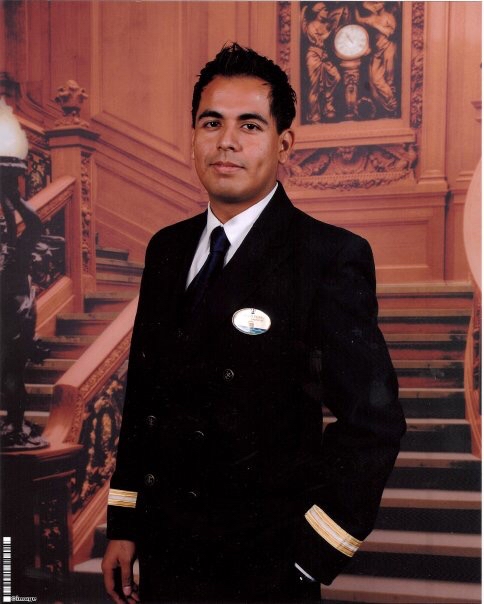
Carlos Perez in uniform onboard

3. Communication and being sociable

Being sociable is indispensable. Whilst on board you will meet and work alongside people of all nationalities, languages, religions, and cultures. It is important to keep an open mind and spend time learning about your crew mates. Ships thrive on the collaboration of their crew so getting to know your team personally and professionally will make for a better working environment.

4. Passion

An ideal candidate must have a passion for travel, discovery, and exploration. During the interview stage specifically, it becomes clear which candidates have the passion to succeed on-board. Our cruise clients look for crew that are determined and excited to start their career at sea.

Carlos Perez on board Windstar Cruises

Having a passion for what you do will have a direct and positive impact on your passengers, fellow crew, and the cruise line itself and is what will make you a favourable candidate.

5. Ambition

Working on board a cruise ship gives crew the privilege to see new places, meet new people, and try new things. Demonstrating your ambition in an interview and your application is ideal.

Having a drive for growth and a goal to make a difference within the company you are joining will make you a standout candidate.  Cruise lines and employers are looking for individuals who want to grow and develop both professionally and personally.

Why these qualities?

The qualities of an ideal candidate are subjective to the recruiter. However, these are, in my opinion, the strongest, stand out qualities for a cruise candidate. It is important to remember that recruiters receive many applications and host a lot of interviews. Don’t feel discouraged if you do not succeed on your first attempt.

How can a candidate stand out from the others?

Proactivity is essential during both the application process and your time on board. To stand out from others, you must be the first person to raise your hand, answer the question, think outside the box and to look for the solution rather than the problem.

A great way to display proactivity is to ask for feedback upon the receipt of an unsuccessful application. Using this feedback can give you an advantage for the next position you apply for.

Don’t be afraid to call the recruiter and ask if there is more information you can provide for your application.

Aside from that, letting your personality shine through is the best way to stand out. Every candidate is different and displaying your individuality throughout the process will separate you from all other applications.

What is the best way for a candidate to prepare before applying?

Do your research. With today’s technology, finding out about the role you are applying for, the cruise line and even the recruitment company has never been easier.

Learn about what you are applying for and what the company values are. A recruiter loves to see a candidate that has clearly researched before their application and interview.

Your presence in an interview is very reflective of how you will perform in a job role. Being punctual to the interview, appropriately dressed, and positive makes all the difference. Consider practicing the interview before attending and preparing for questions that may be asked.

Cruise Job Vacancies

Our cruise jobs at Viking Crew are in high demand, so keeping track of vacancies is an essential part of your job hunt. Use our Job Search page to see all our current vacancies and sign up to our newsletter to keep informed with our industry updates.

We hope you are able to use Carlos’ expert advice to improve your cruise job applications and wish you every success with your applications!

Ready to Apply?

Apply with 1 click with your
Viking Crew Account.

Don’t have one? Click below to register and complete your profile

Register

Login